Compare Local Contractors for Epoxy Flooring Installation Success
Compare local contractors for epoxy flooring installation to define project scope, verify experience, and establish clear expectations for a successful outcome.
Epoxy flooring installation services typically encompass preparing the existing surface, applying multiple coats of epoxy resin, and finishing with a durable, seamless coating that can enhance the appearance and functionality of various spaces. These projects often involve surface cleaning, repair of cracks or imperfections, and precise application techniques to ensure a smooth, even finish. Whether for residential garages, commercial warehouses, or industrial facilities, the scope of epoxy flooring work can vary based on the size of the area, the current condition of the surface, and specific performance requirements such as slip resistance or chemical resistance.
Clearly defining the scope of work is essential when working with contractors for epoxy flooring. A detailed scope helps ensure that all parties have a shared understanding of the project’s goals, materials, and responsibilities. It can include specifics about surface preparation, the number of epoxy layers, desired finishes, and any additional features like decorative flakes or anti-slip additives. Having this information in writing helps prevent misunderstandings, manages expectations, and provides a clear basis for evaluating whether a contractor’s proposal aligns with the project’s needs.
Property owners can effectively compare local contractors by reviewing their experience with epoxy flooring projects similar in scope and complexity. It’s advisable to verify how long each contractor has been working in the area and to seek references or examples of completed work. When evaluating proposals, pay close attention to how well each service provider details the scope of work, including surface preparation, materials, and finish options. Asking questions about previous projects and requesting a written outline of the work can help ensure that expectations are aligned and that the chosen contractor has the relevant experience to handle the specific requirements of the space.
Compare local contractors by outlining project priorities, verifying experience, and setting clear expectations in writing.
- Compare Contractor Experience - Review the background and past projects of local contractors to assess their expertise in epoxy flooring installation.
- Define Project Scope Clearly - Outline specific requirements and expectations to ensure all parties have a shared understanding of the work.
- Verify Credentials and References - Check references and verify the experience of service providers to confirm their ability to handle the job.
- Request Written Agreements - Ensure all details, including scope and responsibilities, are documented in a formal agreement before work begins.

Clearly define your epoxy flooring project and compare local contractors based on experience, scope, and written expectations.
- Verify experience and expertise of local contractors in epoxy flooring installation. Ensure they have a proven track record with similar projects.
- Define the scope of work clearly in writing, including surface preparation and finish details. This helps set expectations and prevent misunderstandings.
- Check references or reviews to assess the quality of previous epoxy flooring installations. Consistent positive feedback indicates reliable service providers.
- Confirm that contractors understand and follow proper surface preparation and application techniques. Proper prep is essential for a durable and long-lasting finish.
- Discuss and document the types of epoxy products and finishes to be used in the project. Clear specifications help ensure the desired outcome.
- Ensure all project details, including scope, materials, and responsibilities, are outlined in a written agreement. This provides a clear framework for the project and accountability.
Compare local contractors' experience and clarify project details to ensure a successful epoxy flooring installation.



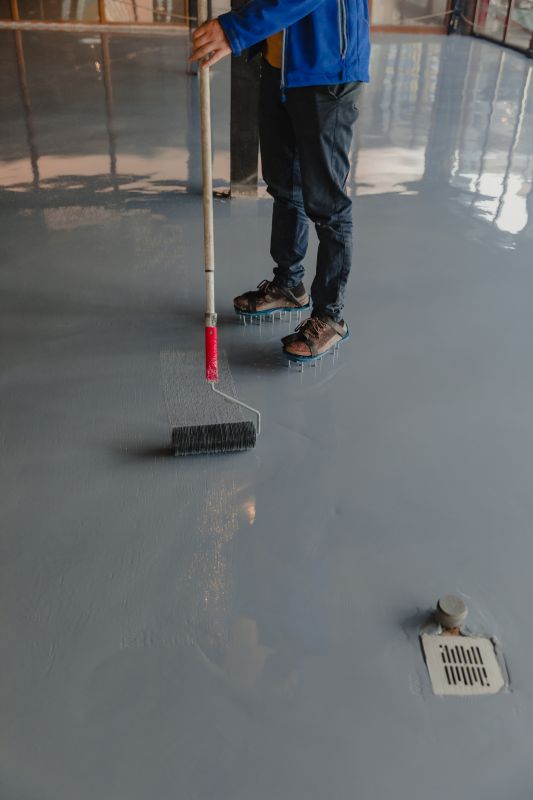
Learn how to compare local contractors, define your project scope, verify experience, and set clear expectations in writing.
- Project Scope - Clearly define the area and surface conditions where epoxy flooring will be installed.
- Material Specifications - Specify the type, color, and finish of epoxy materials to be used for the project.
- Preparation Requirements - Outline the surface preparation steps needed to ensure proper adhesion and durability.
- Installation Procedures - Describe the process and techniques that local contractors will follow during application.
- Warranty and Maintenance - Establish expectations for post-installation support and recommended upkeep practices.
When comparing contractors for epoxy flooring installation, it’s important to consider their experience with similar projects. Homeowners should inquire about the types of flooring jobs the service providers have completed, paying attention to the complexity and scale of those projects. A contractor with a proven track record in epoxy flooring-whether for residential garages, commercial spaces, or industrial settings-can demonstrate familiarity with different surface conditions and application techniques. This experience helps ensure the contractor understands best practices and can handle the specific requirements of the space needing the new finish.
Having a clear, written scope of work is essential when evaluating potential service providers. A detailed scope should outline the specific tasks involved, including surface preparation, the type of epoxy products to be used, the number of coats, and any surface repairs or additional treatments. Homeowners are encouraged to request this documentation early in the process, as it helps prevent misunderstandings and provides a basis for comparing what each contractor intends to deliver. A well-defined scope also facilitates setting expectations and ensures that all parties are aligned on the project’s parameters.
Verifying the basics of a contractor’s background is a key step in the selection process. Homeowners should ask for references or examples of completed projects similar to their own, and consider visiting previous job sites if possible. Confirming that the service provider has appropriate insurance coverage and understands local building codes can also add confidence in their professionalism. Additionally, reviewing any available documentation, such as project summaries or client feedback, can provide insights into the contractor’s reliability and quality of work, helping to inform a more confident decision.
When evaluating options, it’s important to focus on the contractor’s experience, clarity of scope, and verification of their background rather than solely on pricing or availability. Homeowners should compare how each service provider describes their approach, the details they include in their scope, and the evidence of their previous work. Asking targeted questions about their process and requesting written confirmation of project details can help clarify expectations and ensure the chosen contractor is well-equipped to meet the specific needs of the epoxy flooring installation. This approach supports making an informed decision based on quality and professionalism.
Ask contractors to provide written scope details to ensure clear expectations and consistent project understanding.
- Experience and Credentials - What specific experience do local contractors have with epoxy flooring installation?
- Scope of Work - How do contractors define and clarify the scope of the epoxy flooring project in writing?
- Materials and Techniques - What materials and installation techniques do local service providers typically use?
- Project Expectations - How do contractors communicate project expectations and ensure alignment before starting work?
- Comparison Factors - What criteria should be used to compare different contractors' approaches and service offerings?
What should I consider when choosing a contractor for epoxy flooring installation? It's important to evaluate a contractor’s experience with epoxy flooring projects, review their previous work if available, and ensure they understand the scope of your specific needs to find a suitable professional.
How can I compare different epoxy flooring contractors effectively? Comparing contractors involves reviewing their service offerings, verifying their experience in epoxy installation, and requesting detailed written descriptions of the work scope to ensure clarity and alignment.
What questions should I ask a contractor before hiring for epoxy flooring? Ask about their previous projects, the process they follow, materials they use, and how they define the scope of work to ensure they can meet your expectations.
Why is it important to have the scope of work in writing? Having the scope of work documented helps clarify project details, set clear expectations, and provides a reference point for the work to be performed by the contractor.
How can I verify a contractor’s experience with epoxy flooring? You can review their portfolio, request references from past clients, and ask about their familiarity with different epoxy systems and installation techniques.
What role does communication play in selecting an epoxy flooring contractor? Effective communication ensures that project details, expectations, and scope are clearly understood and agreed upon, reducing potential misunderstandings during installation.
Understanding the key aspects of epoxy flooring installation can help in making informed decisions when comparing service providers. Visitors have learned how to define the scope of their project, verify the experience of local contractors, and establish clear expectations through written agreements. This approach ensures clarity and helps identify the best options among nearby experts for the job.
To find the right contractor for epoxy flooring, using the quote form can facilitate comparisons among local service providers. Connecting with multiple contractors allows for a better understanding of available options, enabling choices that align with specific project needs. Taking the time to evaluate and communicate your requirements can lead to a more confident decision-making process.